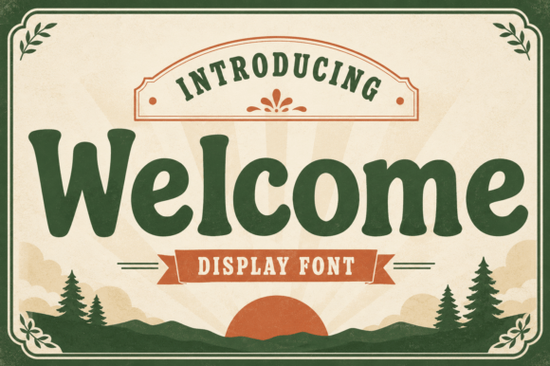
If you're looking for a friendly, confident slab serif that works well on signs, packaging, or social media graphics especially when you want a warm, vintage-leaning feel Welcome Font is worth your attention. It’s not overly ornate or fussy, but it carries presence: bold letterforms with soft, rounded corners and subtle retro details that make it easy to read and memorable. Designers and small business owners often tell us they reach for it when they need something approachable yet distinctive like for a neighborhood café logo, a handmade greeting card line, or even a boutique baby clothing label.
What makes Welcome Font different from other slab serifs?
Most slab serifs lean either ultra-modern (think geometric, sharp-edged) or heavily distressed (grungy, ink-splattered). Welcome Font sits comfortably in the middle: clean enough for digital use, characterful enough for print. Its curves are gentle not exaggerated and its spacing feels generous, which helps readability at smaller sizes. Unlike some display fonts that sacrifice function for flair, this one keeps legibility front of mind without losing personality.
You’ll notice little quirks a slightly tilted ‘e’, a softened terminal on the ‘a’ that hint at mid-century signage or hand-painted shop fronts. That’s intentional. It’s not trying to mimic a specific era, but rather evoke the feeling of something familiar, welcoming, and thoughtfully made.
Where does it work best?
Based on real usage from Creative Fabrica users, Welcome Font shines in these everyday creative contexts:
- Café and bakery branding menus, chalkboard-style social posts, takeout bag stamps
- Children’s products tote bags, onesies, sticker sheets where warmth and clarity matter more than strict formality
- Small-batch stationery thank-you cards, gift tags, wedding suite accents
- Local business signage window decals, door banners, seasonal promotions
- Print-on-demand designs especially for niches like cozy home, rustic kitchen, or nostalgic lifestyle themes
It pairs especially well with simple sans-serifs (like Montserrat or Open Sans) for body text, letting Welcome Font handle headlines and focal points without visual competition. If you’ve used Departure Board Font, you’ll recognize a similar ease-of-use but with softer edges and less industrial tone. For contrast, try pairing it with something more structured like Varsity Spirit Font in a sports-themed kids’ collection, or layer it over textured backgrounds like those found in Classic Distress Font kits for subtle depth.
How to use it without overdoing it
Like any strong display font, Welcome Font works best when given room to breathe. Avoid stacking multiple weights or using all caps in long paragraphs it’s designed to lead, not to narrate. A common mistake is shrinking it too far for web buttons or mobile thumbnails; test at actual size before finalizing. Also, while it includes standard Latin characters and basic punctuation, double-check support for accented letters or symbols you might need for multilingual projects.
For crafters working in Cricut or Silhouette software, the OTF version handles cutting cleanly even at 1.5" tall thanks to its sturdy strokes and open counters. And if you’re building a cohesive brand kit, consider pulling secondary colors or pattern motifs from the same vintage palette you’d pair with Jennie’s House Font or Lemon Harvest Font. They share a similar handmade-but-polished sensibility.
One practical tip: if you're testing Welcome Font alongside other options, open a blank document and type the phrase “Welcome to [your business name]” in each. Read it aloud. Which one feels most like you not just visually, but tonally? Fonts communicate mood as much as message.
For deeper inspiration, check out how designers use Welcome Font in real product mockups on Creative Fabrica especially in food branding and nursery decor collections.
Before you download
Here’s a quick checklist to help you decide if Welcome Font fits your current project:
- ✅ You need a bold, readable slab serif with warmth not cold minimalism or heavy grunge
- ✅ Your use case is mostly headings, logos, or short phrases (not long-form text)
- ✅ You’re comfortable pairing it with simpler supporting fonts for balance
- ✅ You value clean outlines and consistent spacing for both digital and physical output
- ✅ You like subtle vintage cues not full-on retro pastiche
If most of those apply, it’s likely a solid match. Try it on a real layout before committing to a full brand rollout.
Explore Design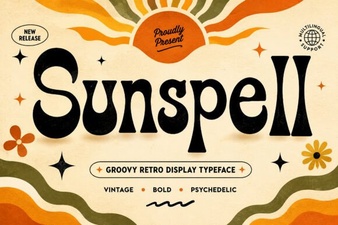 Sunspell Font: Crafting Digital Atmospheres
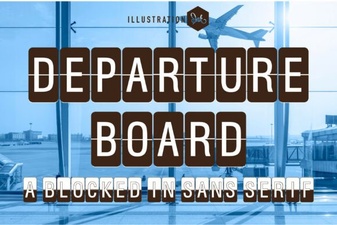 Font Design Inspired by Travel Departure Boards
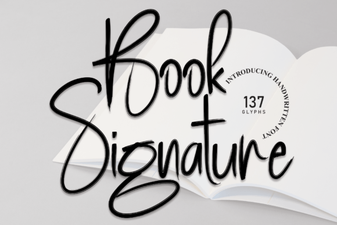 Craft Your Own Signature Font for Books
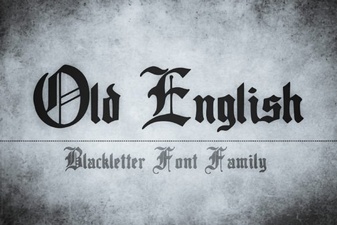 Old English Font Inspiration & Modern Uses
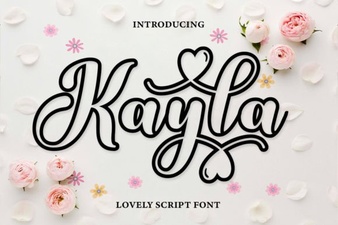 Kayla Outline Font Design Ideas & Projects
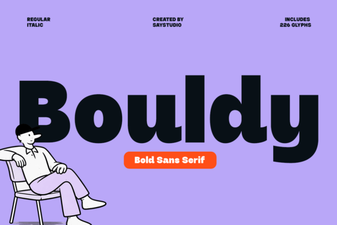 Bouldy Font: Designs That Stand Out