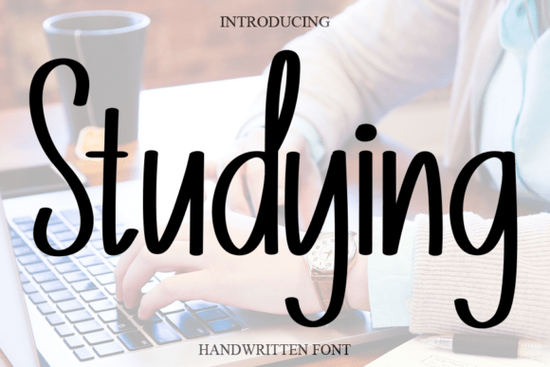
If you're looking for a gentle, handwritten script that feels both joyful and elegant without being overly formal Studying Font is a thoughtful choice. It’s not flashy or dramatic; instead, it offers quiet charm, with soft curves and natural flow that mimic real pen-on-paper movement. Designers and crafters who work on wedding stationery, greeting cards, or small-batch branding often tell us they reach for Studying Font when they want warmth and personality not perfection.
When does Studying Font work best?
This font shines where authenticity matters more than precision. Think of hand-lettered quotes on printable wall art, delicate monograms on bridal shower invites, or subtle product labels for artisanal candles or tea blends. Its relaxed rhythm keeps things approachable, while its refined spacing and consistent stroke weight give it polish. It’s especially useful if your audience responds to sincerity over slickness like small businesses building local trust or hobbyists sharing handmade goods online.
Because it’s a single-weight cursive script (no bold or italic variants), it works well as a headline or short phrase not long paragraphs. That makes it ideal for logos, social media banners, or packaging accents. You’ll see it used alongside clean sans-serifs for contrast, or layered over textured backgrounds for depth.
How does it compare to other popular script fonts?
Unlike bolder, high-contrast scripts like Maddison Font, Studying Font avoids sharp angles and dramatic thick-thin transitions. That gives it more versatility across print and digital especially at smaller sizes. It shares some softness with Ideas Font, but leans slightly more romantic and less minimalist. If you’ve tried School Font for educational projects and liked its friendliness, you’ll appreciate how Studying Font carries similar ease but with more grace and less playfulness.
For those drawn to signature-style fonts, Studying Font sits comfortably between the casual energy of Simple Alphabet Font and the refined flair of Brittany Signature Font. It doesn’t try to imitate calligraphy tools or mimic ink bleed it just feels like someone wrote it carefully, with care.
Real uses from real creators
We’ve seen Studying Font used in ways that reflect its quiet strength:
- A small florist added it to thank-you cards sent with bouquets customers commented on how “personal” the handwriting felt.
- An indie jewelry maker paired it with a thin serif for product tags, giving delicate necklaces a cohesive, boutique-ready look.
- A teacher created printable study planners using Studying Font for section headers students said the layout felt calming, not overwhelming.
- A wedding planner used it for envelope addressing and ceremony programs, layering it over watercolor washes without losing legibility.
It’s also been included in bundles for print-on-demand sellers focusing on seasonal greeting cards especially spring and summer themes where its lightness reads as fresh and unhurried.
What to keep in mind before using it
Like most handwritten scripts, Studying Font includes standard OpenType features: ligatures and alternate characters (accessible through design apps like Illustrator or Affinity Designer). These help avoid awkward letter collisions especially in words like “love” or “forever.” But because it’s not a variable font, you won’t find weight or width sliders. If you need flexibility across sizes or contexts, pair it intentionally: use it for headlines only, and choose a neutral, highly readable companion font for body text.
Also worth noting: while it supports Latin-based languages (English, Spanish, French, Portuguese, etc.), it doesn’t include extended diacritics or Cyrillic glyphs. So if your project targets multilingual audiences beyond Western Europe, double-check character coverage first.
Finally, make sure your file format matches your use case. The OTF version works best for professional design software; the TTF is reliable for basic word processors or Cricut Design Space but test spacing and kerning there first, since rendering can vary.
Before downloading or licensing Studying Font, ask yourself:
- Is this for a short, expressive phrase or something that needs to scale down to 10pt?
- Do I already have a clean, legible font to pair it with for balance?
- Will my audience connect with its gentle, romantic tone or would something more grounded fit better?
- Have I checked the character set to confirm it covers all letters and symbols I’ll actually use?
- Am I planning to use it commercially? (The standard license allows for unlimited personal and commercial use, including POD but always review the latest terms on Creative Fabrica.)
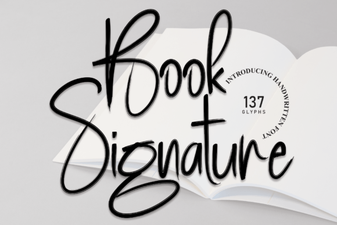 Craft Your Own Signature Font for Books
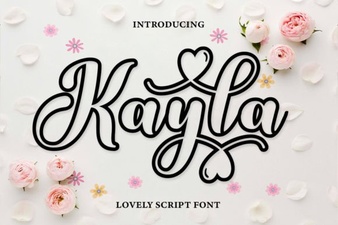 Kayla Outline Font Design Ideas & Projects
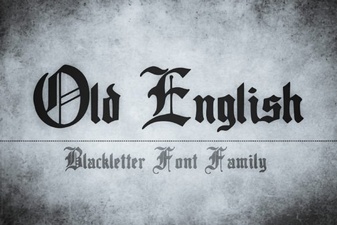 Old English Font Inspiration & Modern Uses
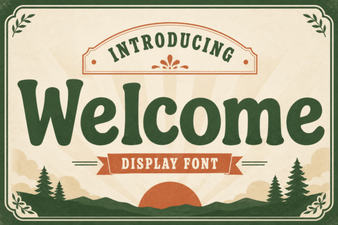 Discover the Perfect Welcome Font for Your Project
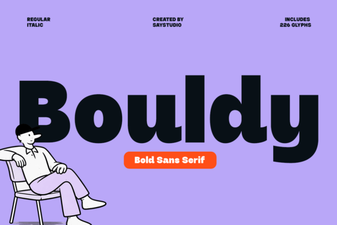 Bouldy Font: Designs That Stand Out
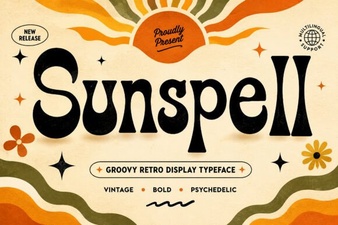 Sunspell Font: Crafting Digital Atmospheres